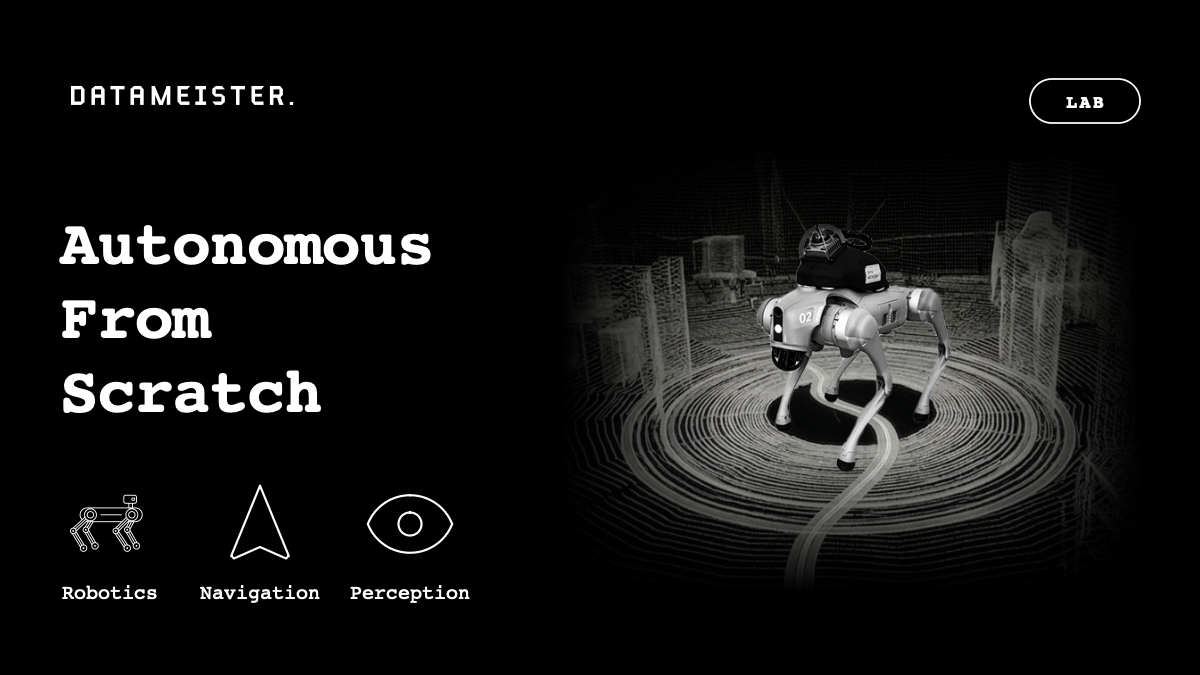
We built and operate an autonomous navigation and data-capture skill end-to-end on a Unitree GO2, an NVIDIA Jetson, and a Livox MID-360. This is the on-robot side of Datameister's Physical AI work, designed to feed the manipulation skills coming next.
Read Article→
Datameister runs on a single Monorepo. The decision to centralize our codebase early on now shapes how we ship: knowledge-sharing across teams happens by default, our tooling investment boosts developer velocity across every project, and a consistent quality bar holds as we scale.
Read Article→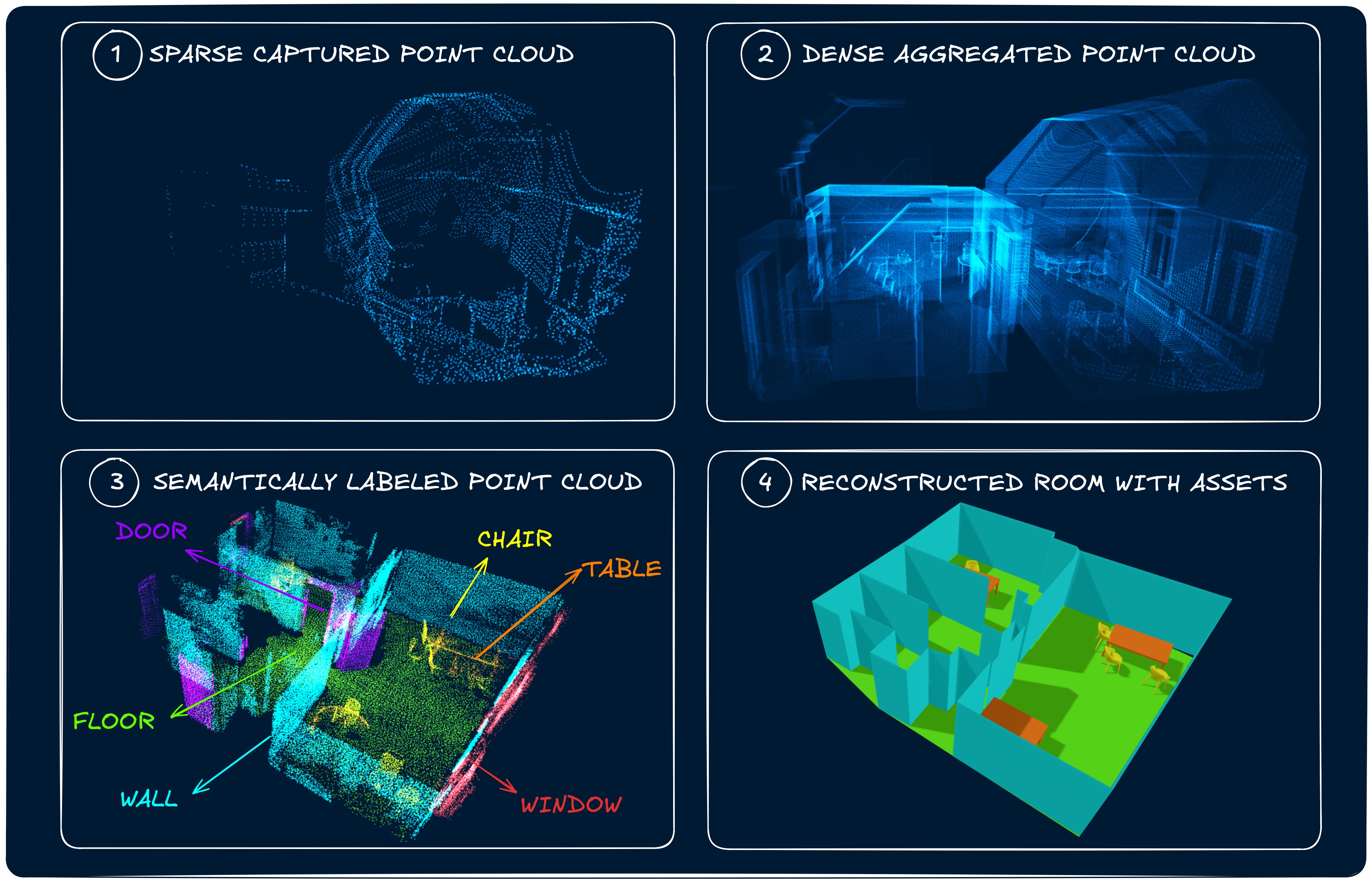
Indoor semantic segmentation turns raw LiDAR point clouds into structured scene understanding. This post explains why outdoor models fail indoors and how Datameister builds a practical pipeline for reliable indoor segmentation on low-cost hardware.
Read Article→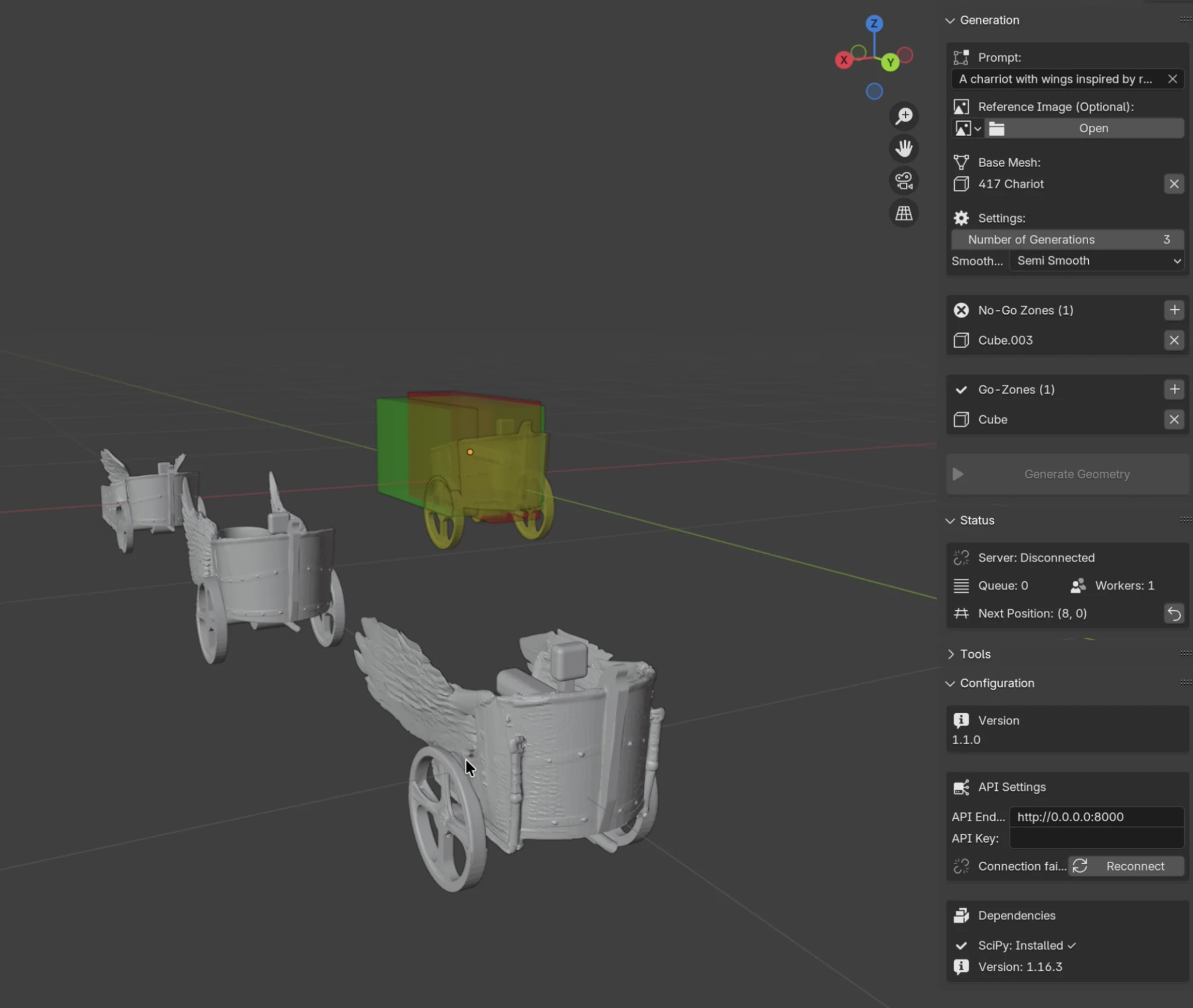
3D workflows miss control and integration for generative tools. This post walks through a custom Blender add-on that brings constrained 3D generation directly into the modeling environment, letting creators steer results with go-zones and no-go zones.
Read Article→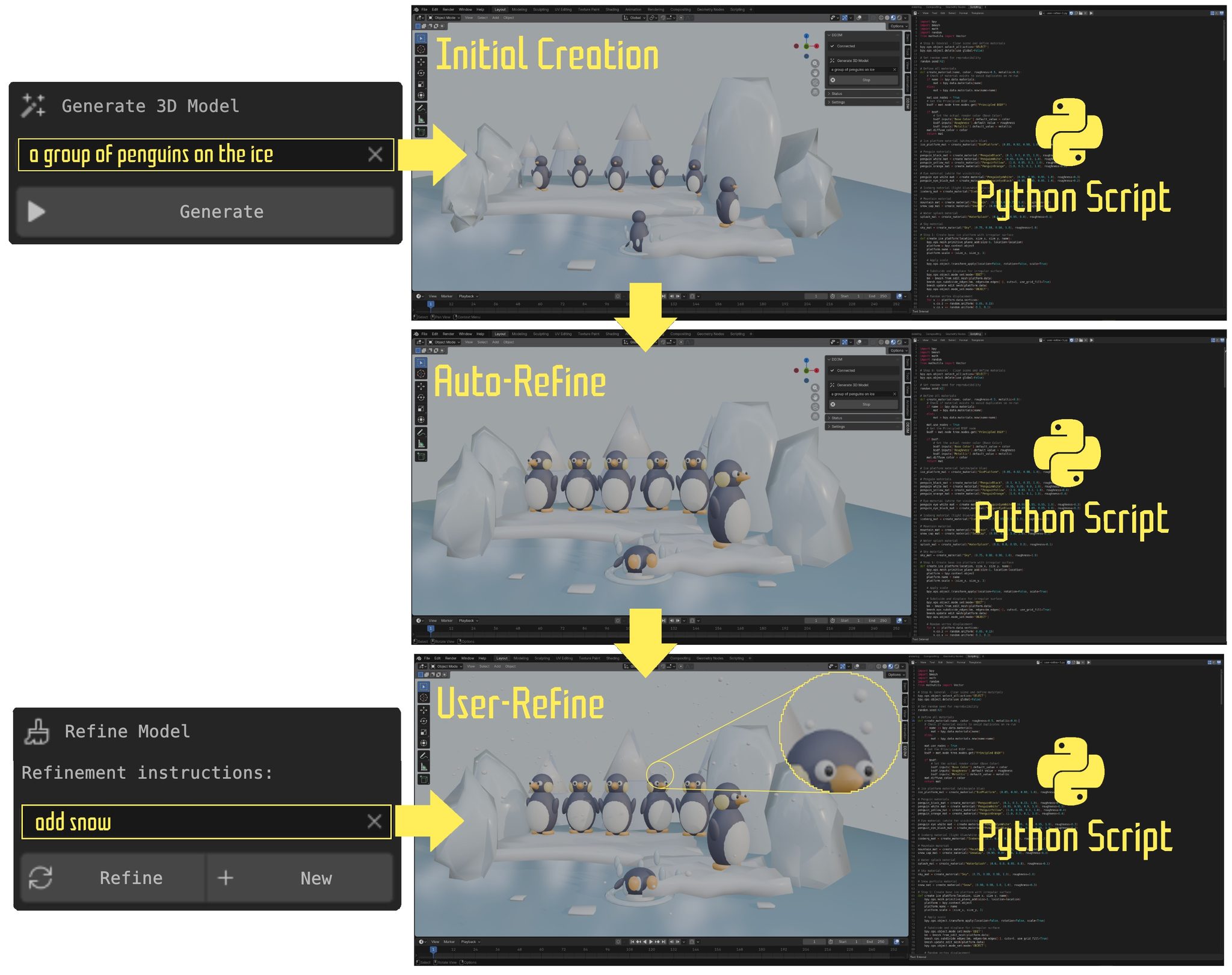
DD3M is an early programmatic generative AI framework integrated directly as a Blender add-on. Unlike tools that produce opaque geometry, it generates editable Blender Python construction logic.
Read Article→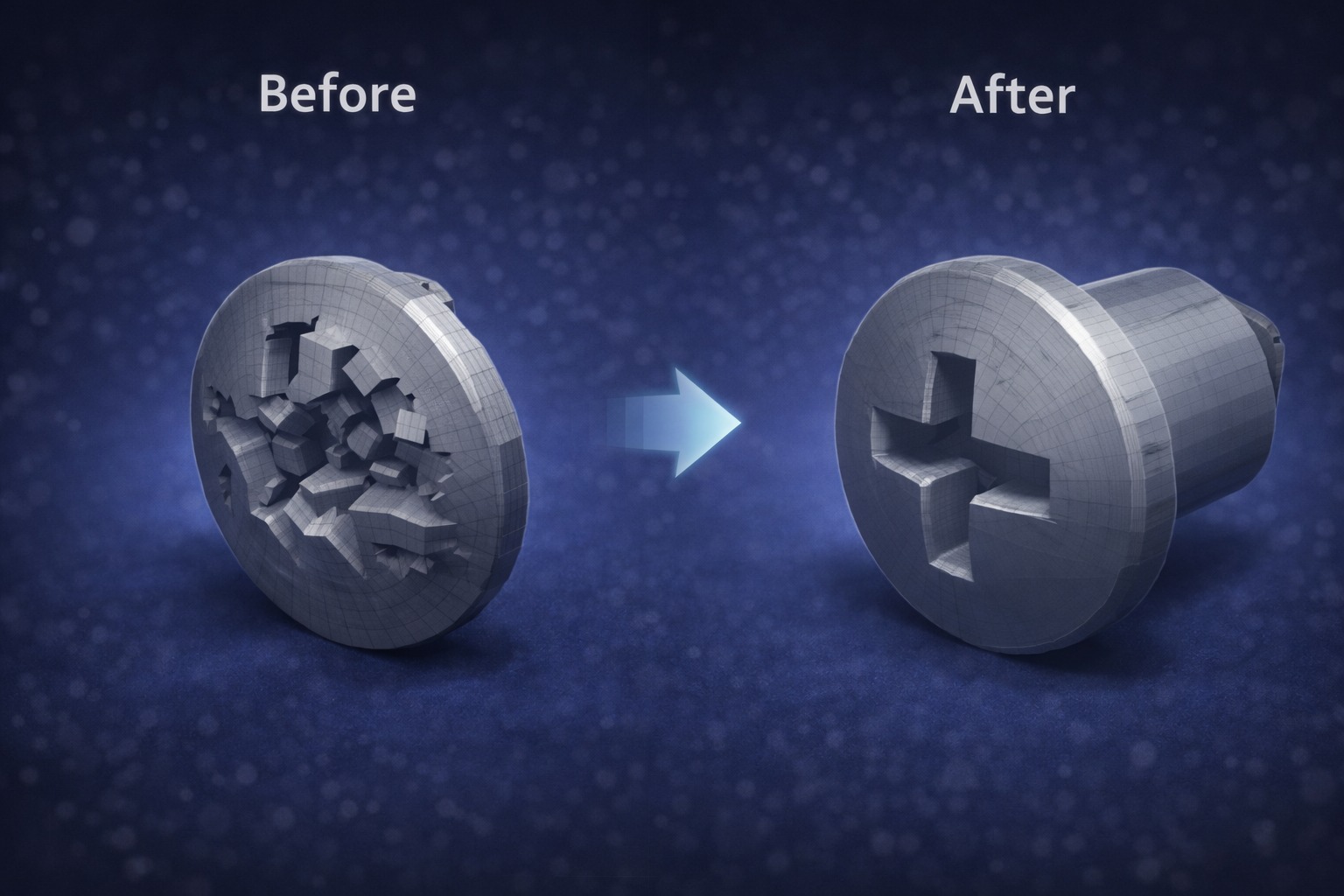
Finetuning Trellis can dramatically improve image-conditioned 3D mesh generation, but it is not exactly plug-and-play. Out-of-the-box settings quickly run into bottlenecks around preprocessing time, GPU memory and overfitting. Drawing from experience gained across Datameister projects, we outline where finetuning efforts tend to succeed or fail in practice. We show how data coherence, preprocessing choices, memory-aware training, and careful regularization shape the outcome far more than aggressive hyperparameter tuning.
Read Article→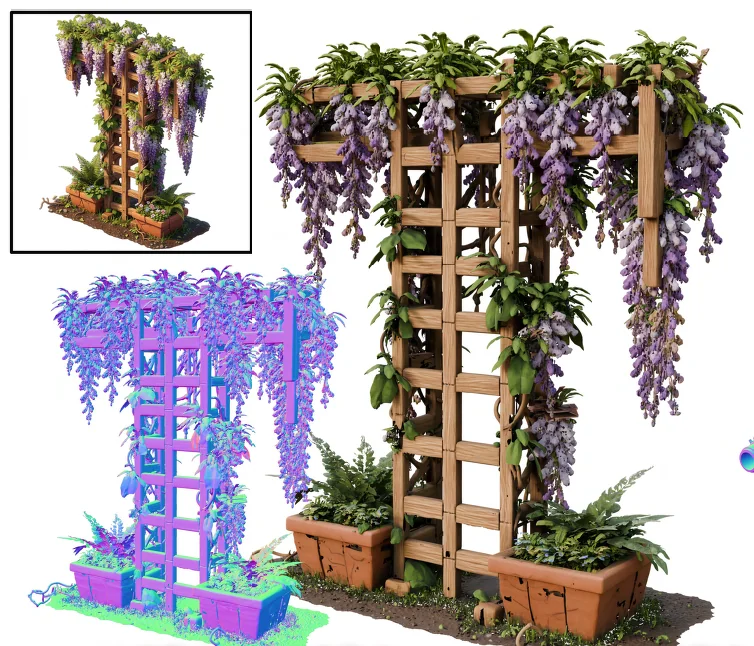
In a year marked by rapid advances in 3D generative modeling, Trellis 2 makes for one of the most exciting architectural updates this year. It introduces Omni-Voxels, a native 3D representation that encodes geometry and PBR materials directly in aligned 3D space. Combined with the new Sparse Compression VAE, this enables more efficient compression of very high-resolution assets at improved inference speeds.
Read Article→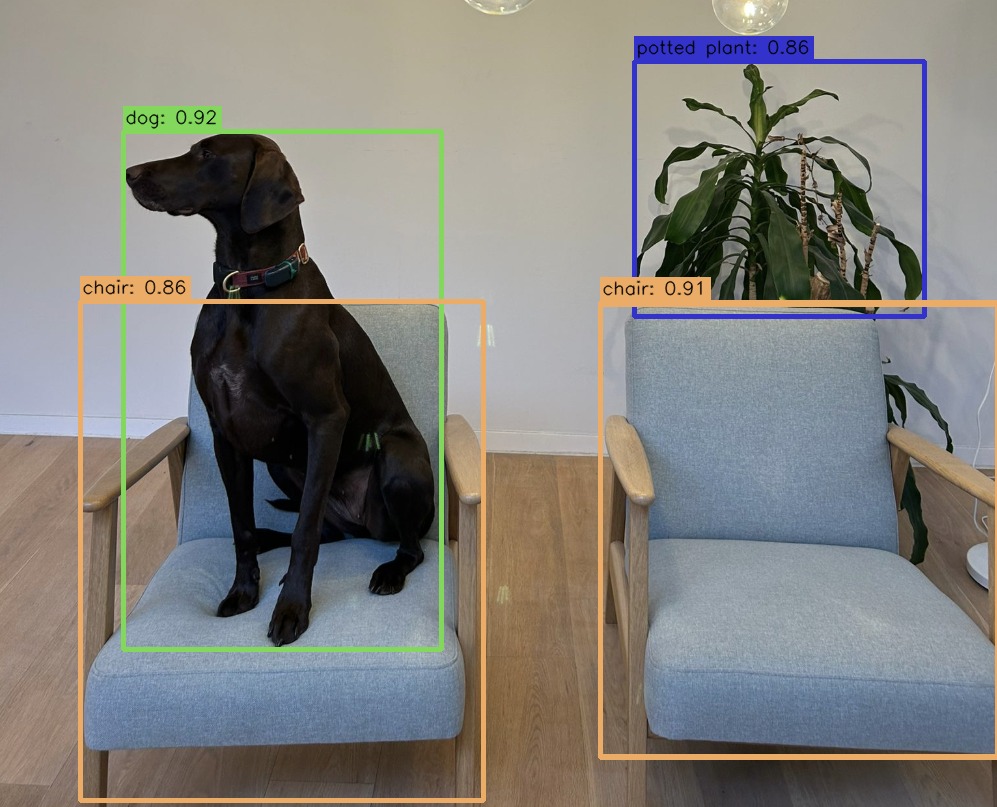
Detection Transformers (DETRs) have matured into real-time capable object detectors, rivaling YOLOs in both speed and accuracy. Despite early challenges, advancements like deformable attention, denoising training, and top-k query selection paved the way for the first real-time Detection Transformer RT-DETR, introduced by a team of Baidu researchers in 2024. Recent innovations like D-Fine’s fine-grained localization and DEIMv2’s foundation-model backbones push accuracy even further. Additionally, all DETR models and weights are released under the permissive Apache 2.0 License, enabling free use and commercial adaptation. At Datameister, we integrate these cutting-edge models into our vision library for high-performance, adaptable, and production-ready detection systems for complex, specific problems.
Read Article→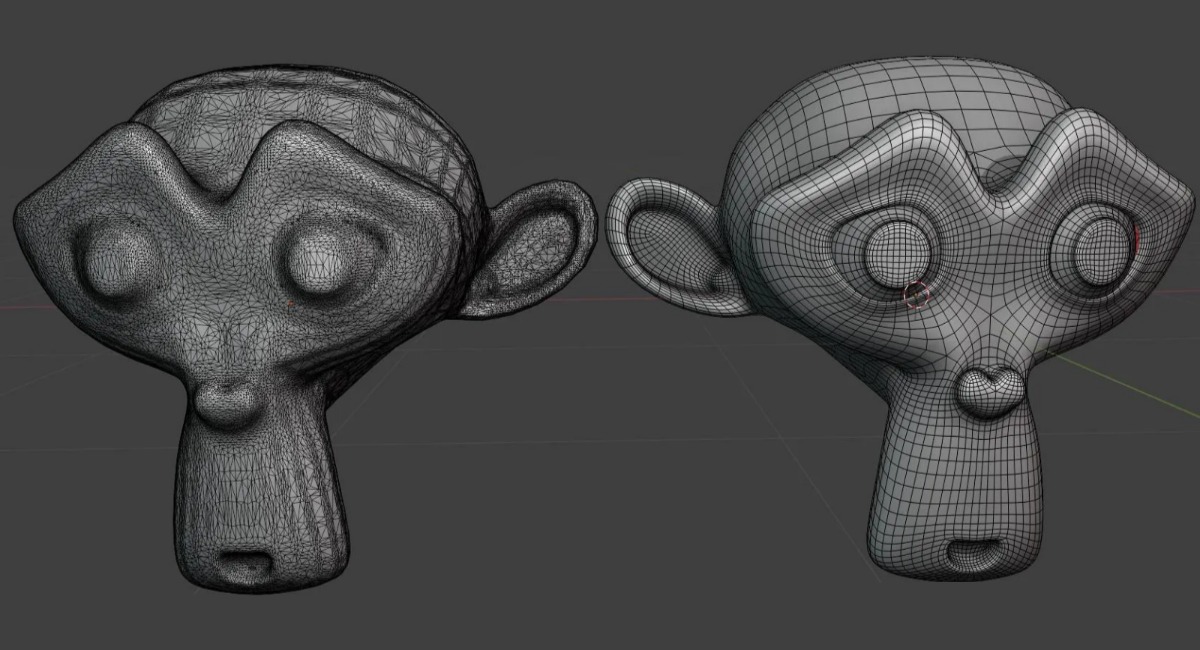
Clean, anatomy-aware retopology remains a high-stakes bottleneck that existing manual, semi-automatic, and fully automatic tools only partially address. Retopomeister identifies anatomical anchor points, selects appropriate curated source topologies, and uses neural wrapping to conform that topology onto the target mesh with symmetry preservation, while allowing artists to adjust anchors and maintain creative control. By transferring production-ready metadata like UV unwraps, vertex groups, and material seams along with the topology, it reduces downstream work across the entire pipeline. The prototype system showcases promising directions: enhanced keypoints, interactive loop sketching, and a more iterative workflow.
Read Article→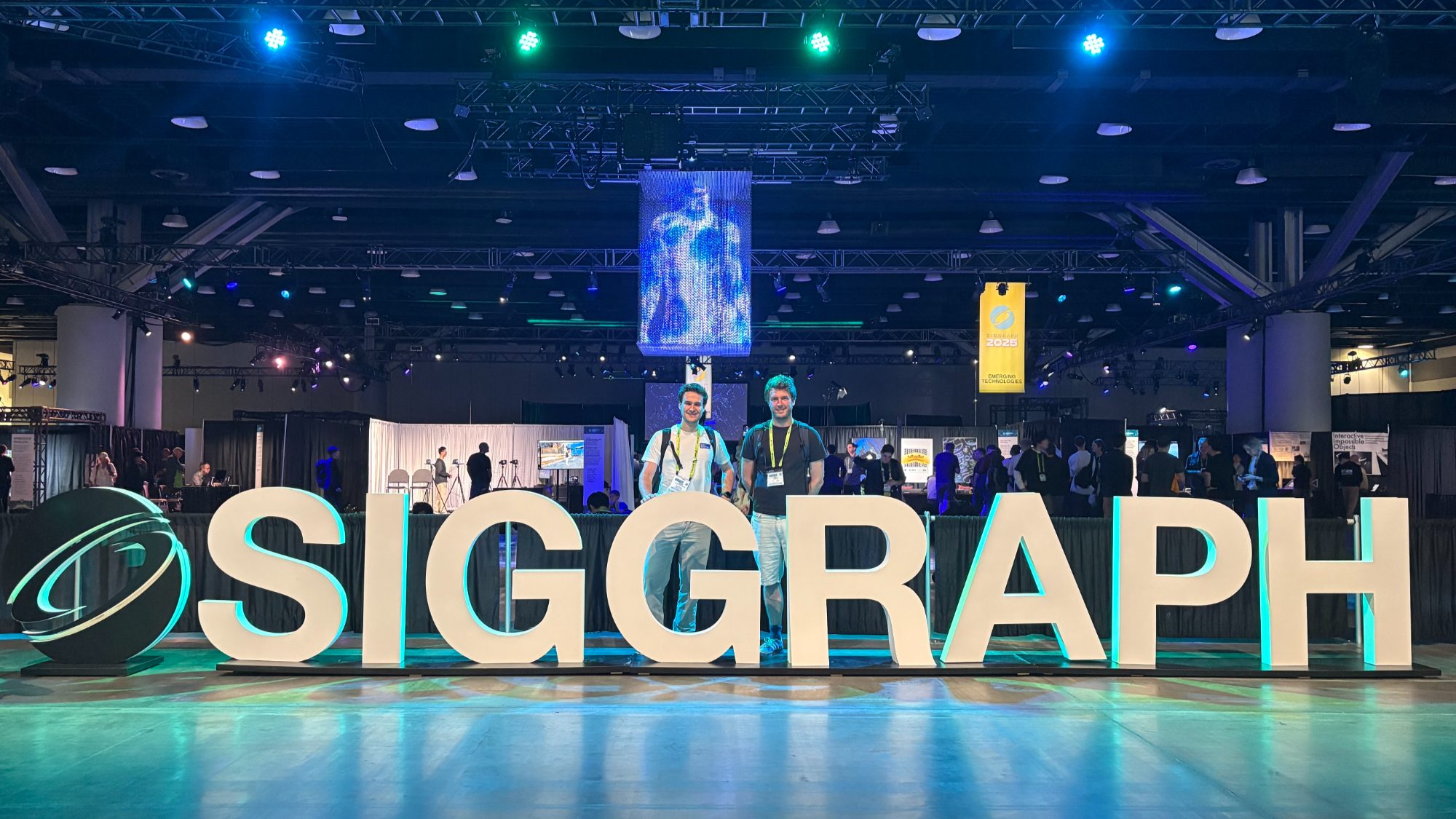
The takeaway from SIGGRAPH 2025 is simple. AI is advancing, adoption lags, and integration matters. We cut through noise, explain the wins in 3D and simulation, and share what studios can apply now.
Read Article→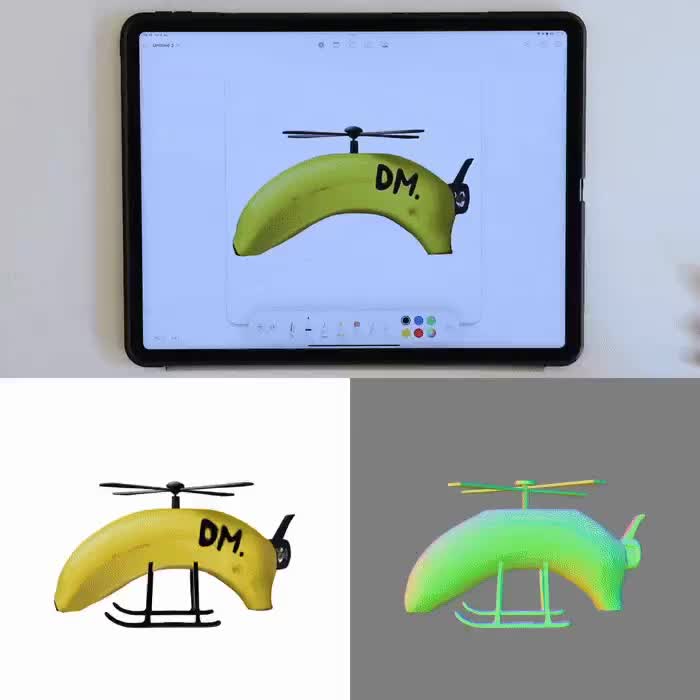
Constraint-aware 3D generation for industrial design: explore creative variations while hard points stay fixed. Trellis diffusion + masked gen + differentiable rendering for buildable assets.
Read Article→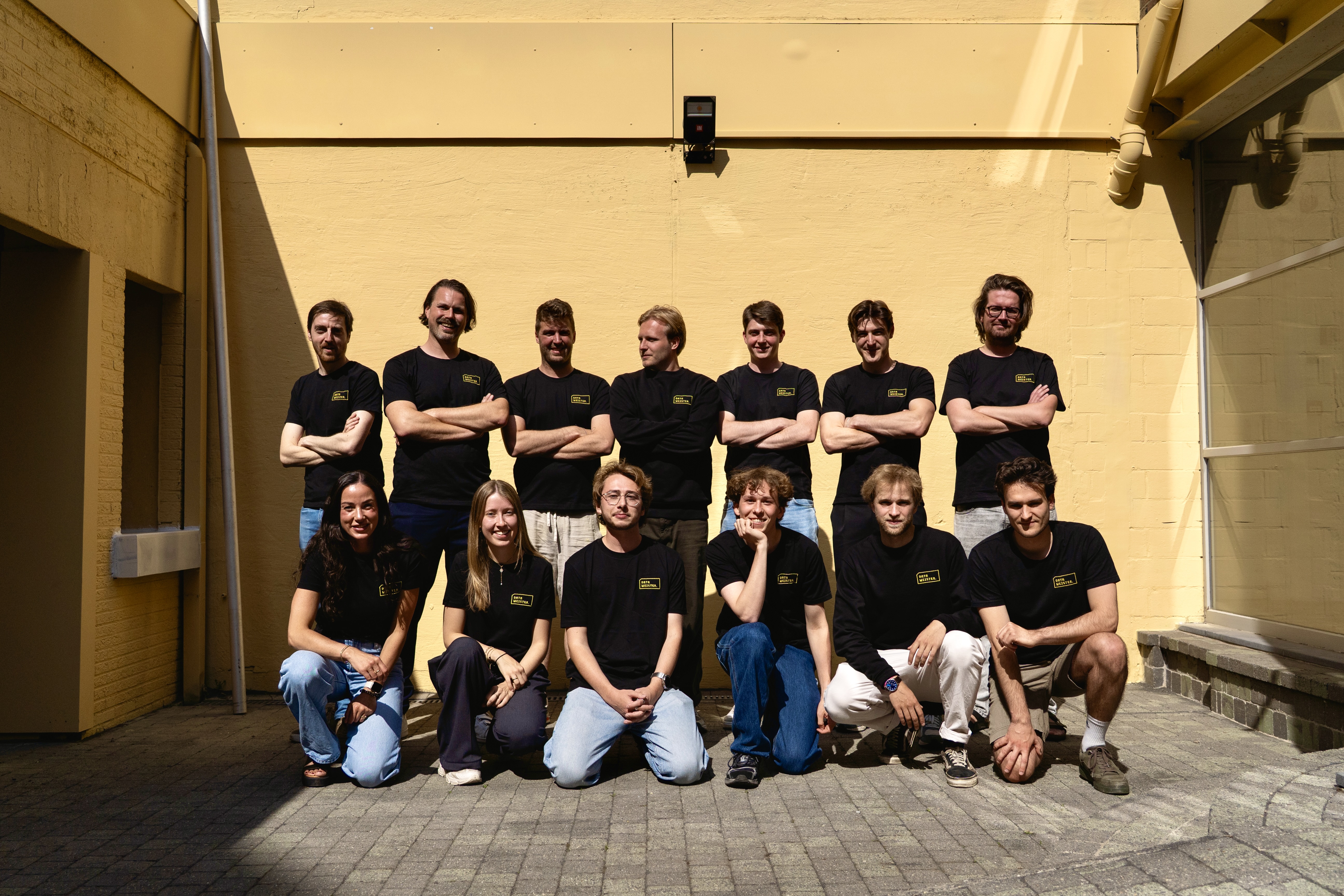
Datameister's two-year anniversary: tour the new Ghent HQ, meet the doubled AI team, explore platform upgrades and catch the celebration recap.
Read Article→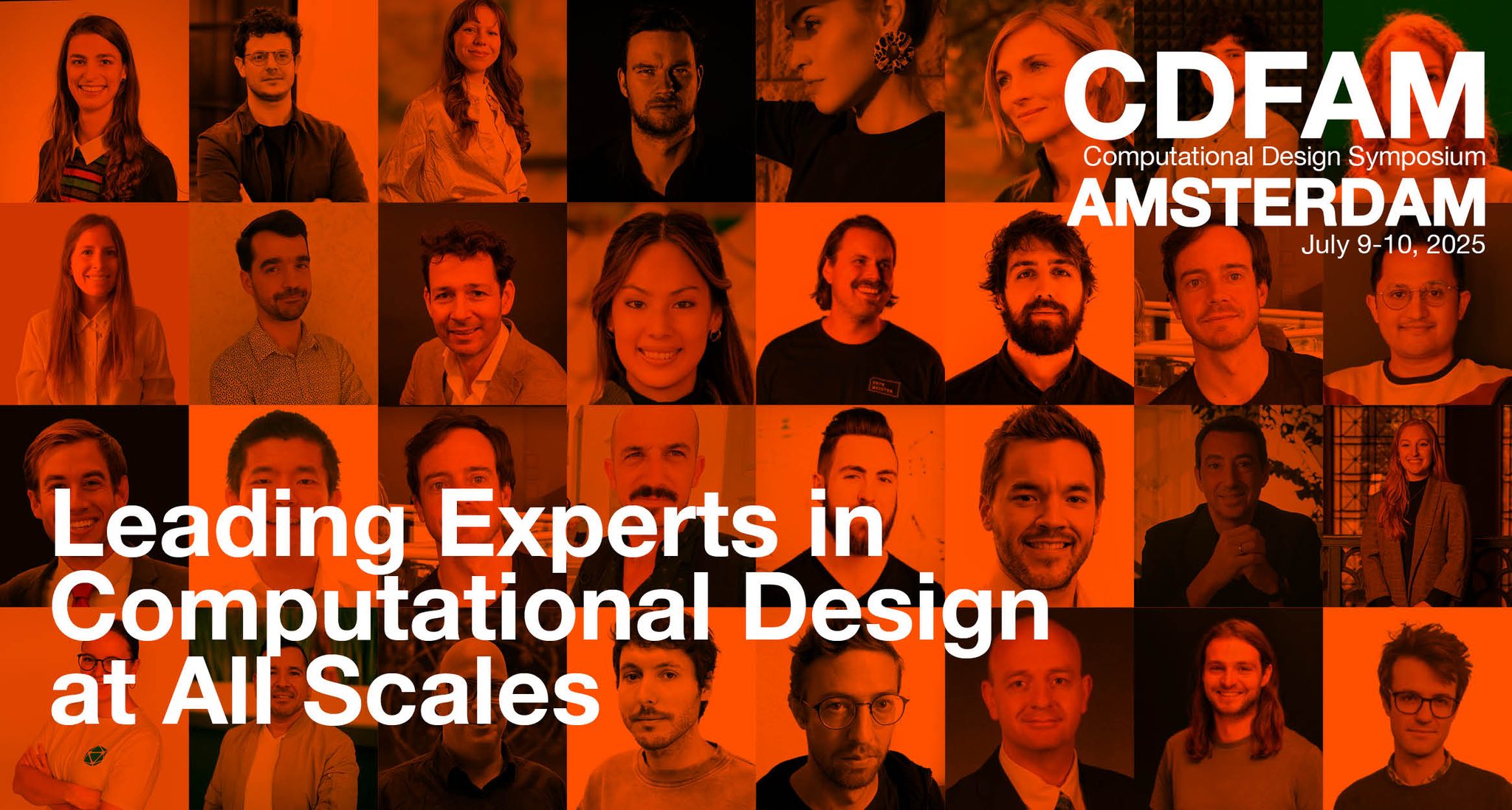
Discover how Datameister is transforming generative design with constraint-aware AI. In this CDFAM Amsterdam preview, founder Ruben Verhack explains how their tools embed real engineering constraints into the creative process—reducing design lock-in, accelerating iteration, and enabling true collaboration between designers, engineers, and AI. Applications span automotive, architecture, and consumer electronics.
Read Article→
Discover how the Datameister Platform accelerates MLOps for visual AI, enabling fast deployment, seamless debugging, and cost-efficient scaling for image, video, and 3D workloads. Our multi-tenant architecture optimizes GPU utilization, reducing latency while ensuring reliability. Learn how our adaptive resource scheduling, transparent pricing, and integrated monitoring streamline AI operations—so you can focus on innovation, not infrastructure.
Read Article→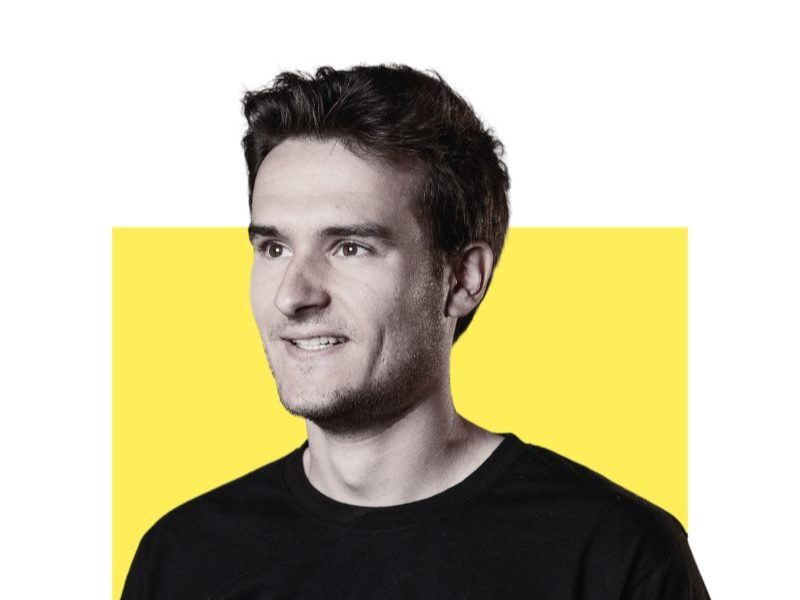
Explore Trellis, Microsoft’s open-source leap in 3D generation, and discover how it compares to cutting-edge tools like Rodin, Tripo, SPAR3D, and Hunyuan3D-2. Dive into the evolution from NeRFs to advanced voxel-based pipelines, uncover essential concepts in image-to-3D modeling, and learn why Trellis is a turning point for creatives and developers alike. Datameister’s expertise bridges research with real-world impact, delivering next-level 3D generative solutions.
Read Article→
Datameister's presence at ECCV 2024 in Milan was a deep dive into the latest advancements in Computer Vision. This blogpost explores groundbreaking techniques like 3D Gaussian Splatting and its enhancements, such as WildGaussians and Gaussian Frosting, showcasing their potential to revolutionize real-time rendering and scene representation.
Read Article→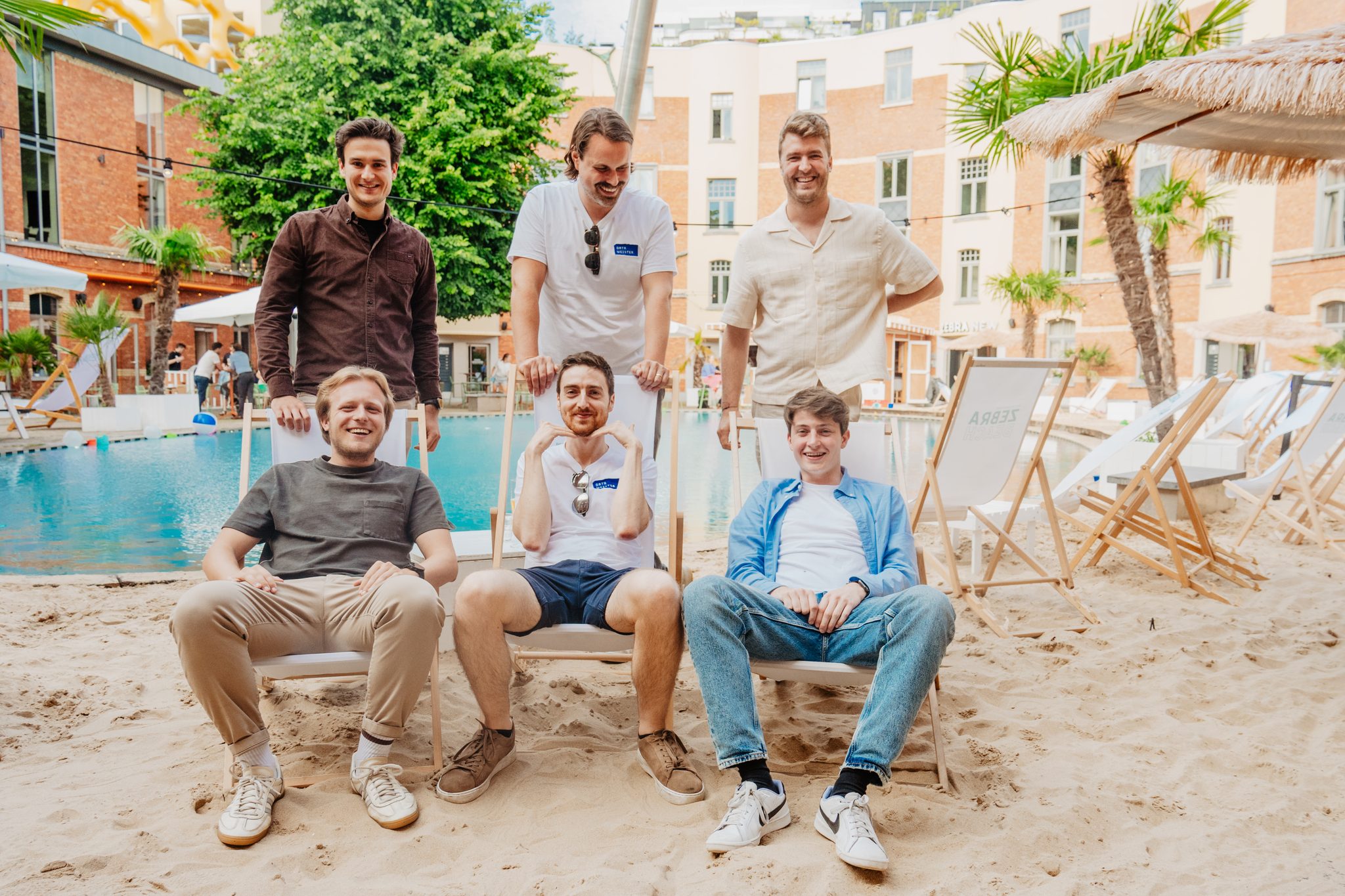
Datameister celebrates its first anniversary with a growing team and exciting projects ahead. Friends and colleagues gathered at Zebrabeach, Ghent, for a memorable evening of drinks, BBQ, and music. Here's to many more milestones!
Read Article→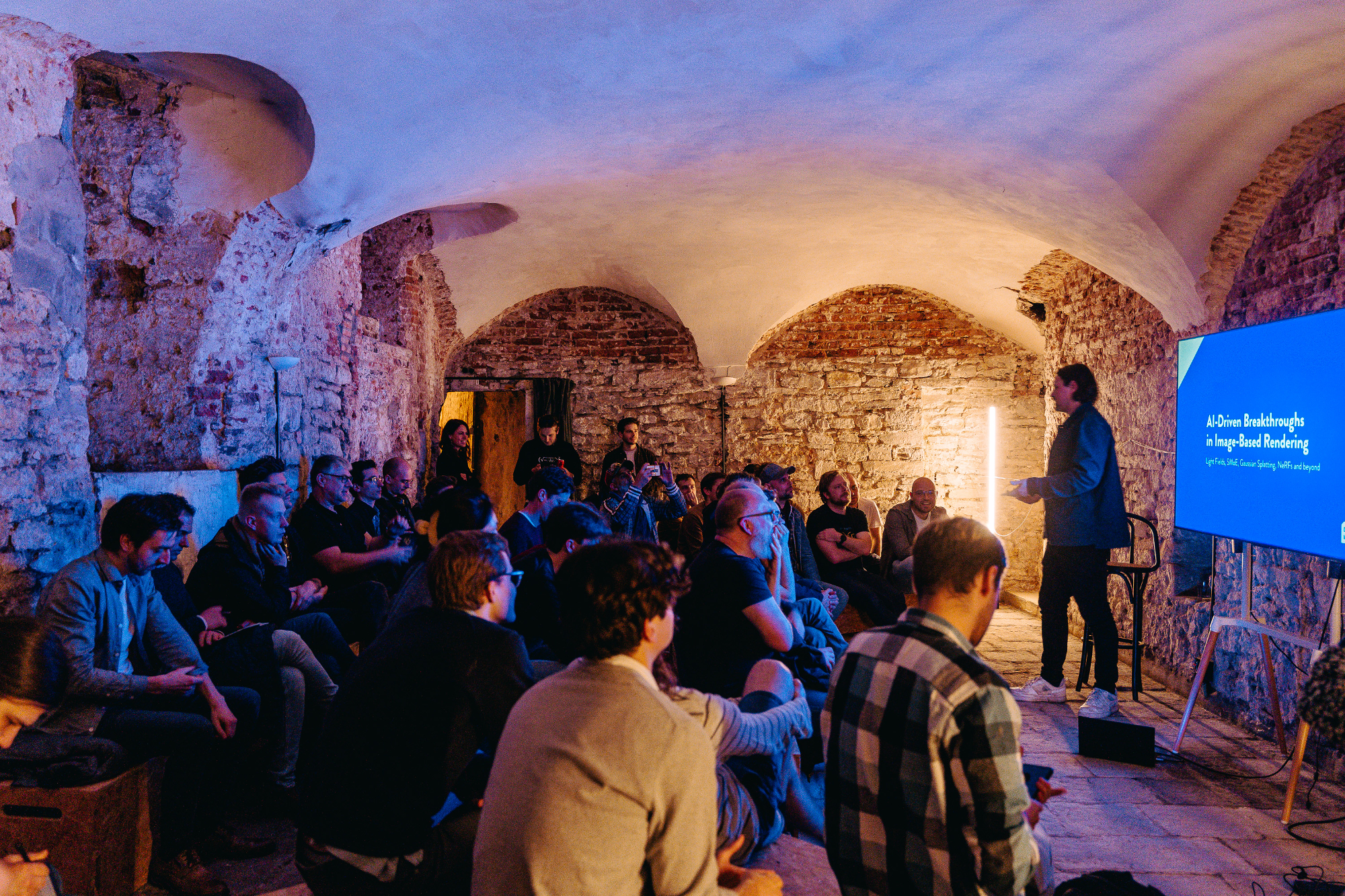
At the intersection of AI and digital arts, the first meetup in Ghent ignited a vibrant exchange between techies and creatives, exploring the future of game development and entertainment. This gathering not only showcased Belgium's hidden talent but also set the stage for innovative collaborations, marking a pivotal moment in redefining creative possibilities.
Read Article→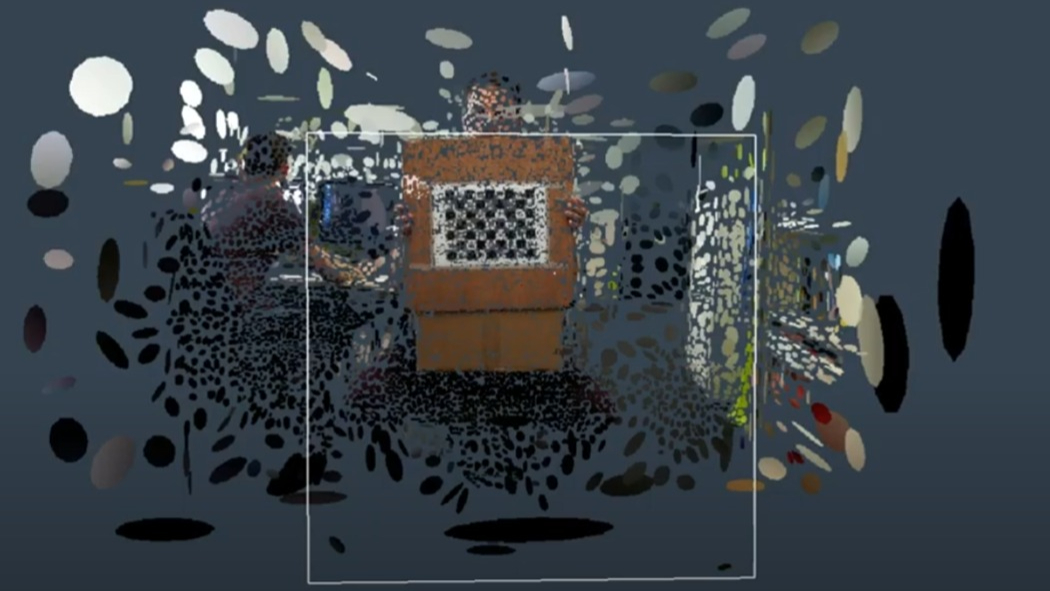
Discover the exciting advancements in image-based rendering driven by AI. From light fields to SMoE, Gaussian splatting, and NeRFs, these breakthrough techniques have revolutionized the field. Explore the mathematical models of light and practical challenges in capturing light fields. Uncover how deep learning and diffusion models have overcome longstanding issues. At Datameister, we're actively following these developments and exploring ways to contribute further. Stay tuned for more!
Read Article→
Making the case for custom LLMs and self-deployed models: gain control, build IP, save costs, and protect your data with Datameister.
Read Article→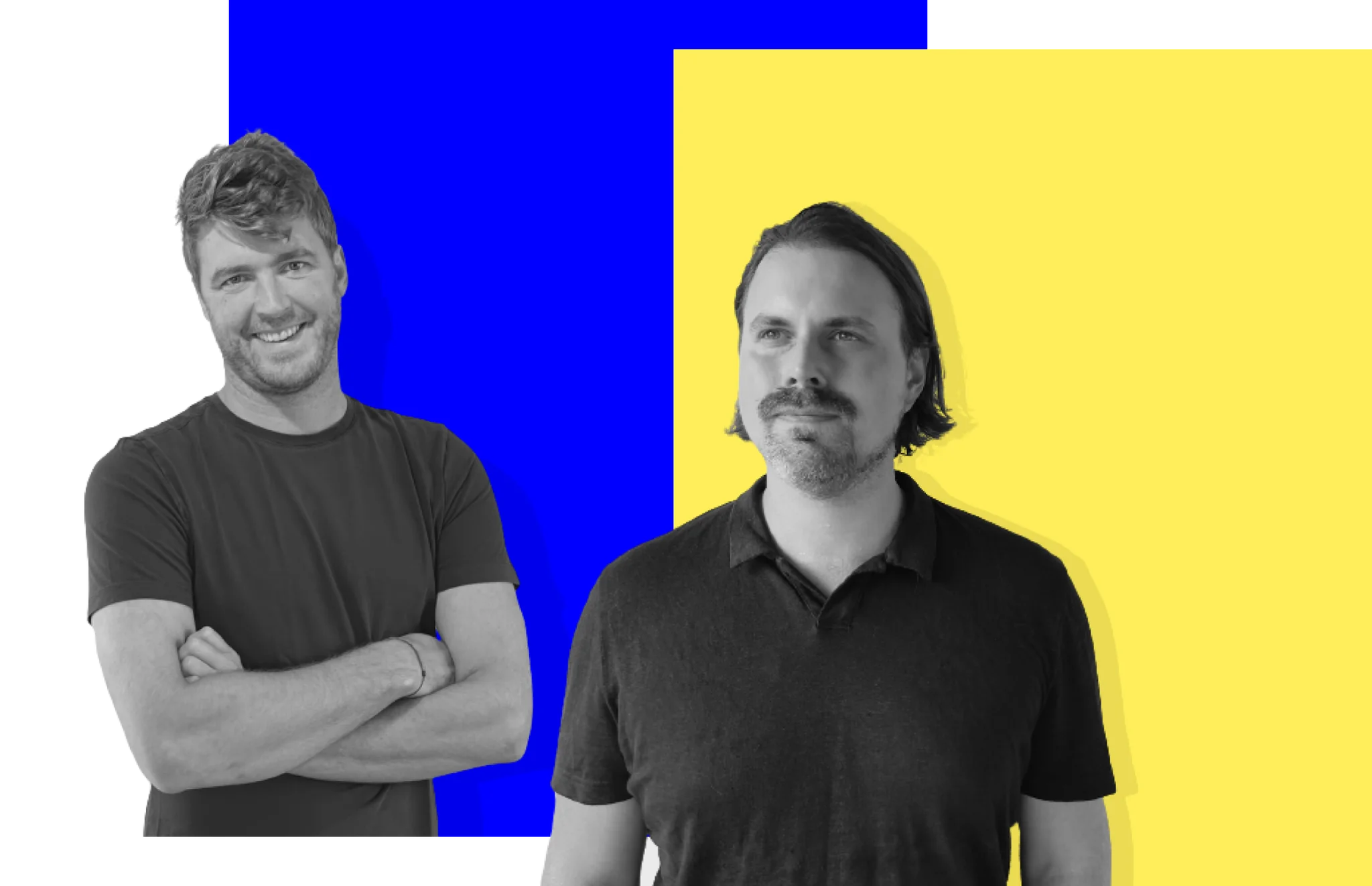
We founded Datameister in June 2023, driven by our passion for AI. Meet the Meisters behind it all - Axel Vlaminck and Ruben Verhack. Together, we're building a company that embraces the AI revolution and helps businesses thrive in this new era. Join us on this exciting journey! #AI #Datameister
Read Article→